XCT Insights
Stay Updated
Fullerene research, applications and company updates, delivered occasionally.
Latest from XCT
View all

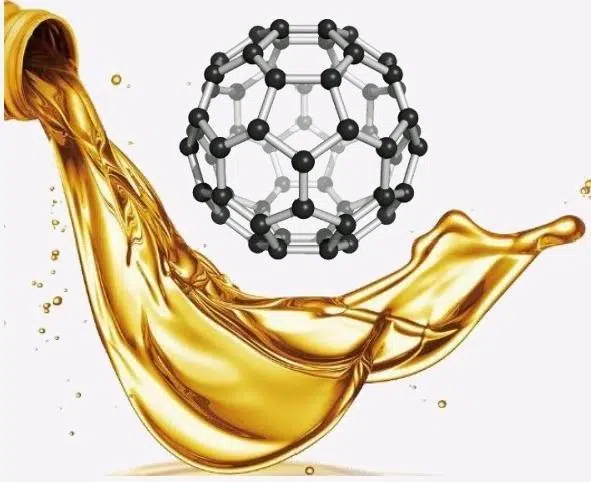
In the modern landscapes of heavy industrial manufacturing, automotive engineering, and aerospace development, extreme operating conditions demand unprecedented performance from lubrication materials. Traditional full-synthetic lubricants frequently suffer from boundary film rupture when subjected to ultra-high temperatures, extreme pressures, and intense friction interfaces, leading to catastrophic equipment wear. Developed by Fujian Foruijin Biotechnology Co., Ltd. , the New High-Efficiency Fullerene Lubrication Additive breaks through the performance bottlenecks of traditional industrial lubrication by utilizing revolutionary microscopic mechanisms backed by rigorous empirical data.
Fullerenes (specifically represented by $C_{60}$) possess unique molecular geometry and properties that grant them exceptional capabilities in reducing friction and resisting wear. Foruijin Biotechnology’s research highlights three foundational tribological and chemical characteristics of fullerenes within lubricant systems:
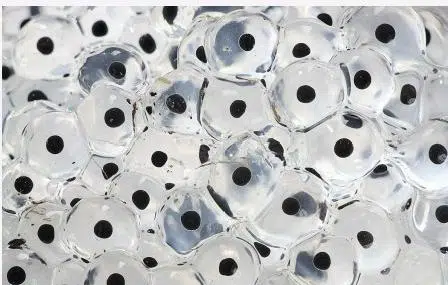
Reported by Japanese researcher Kondo, the “Frog Egg Mechanism” visually explains the micro-protective sequence of fullerene-driven lubrication. When a minute concentration of fullerene (such as 100 ppm) is integrated into high-performance engine lubricants, the oil-wrapped fullerenes self-assemble and accumulate across the microscopic peaks and valleys of the metal surface like clusters of frog eggs. This formation acts as a highly resilient physical isolation layer that mitigates component wear. This level of operational reliability makes fullerene-enhanced oils ideal for extreme environments like space exploration, including the long-term lubrication of satellite gyroscopes which require extended verification periods.
The industrial feasibility of chemical additives depends heavily on their dispersion stability and cooling efficiency after dilution. The following section reviews evaluations conducted on Foruijin’s fullerene additive using specialized analytical instruments:
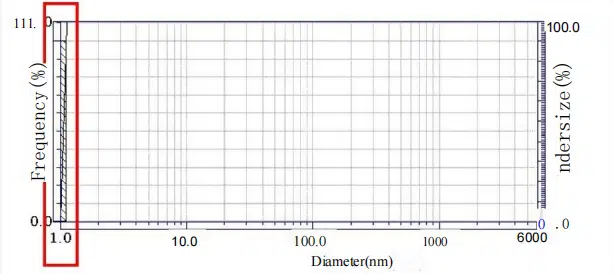
Dynamic Light Scattering (DLS) particle size analysis shows that the fullerene lubricant additive maintains a particle size distribution concentrated tightly around 1.1 nm. Furthermore, over 95% of the particles are distributed within a narrow envelope under 1.13 nm, confirming single-molecule-grade dispersion. To verify stability, samples were tested in a TG16WS desktop high-speed centrifuge at a rotational speed of 8000 r/min for 15 minutes with a sample volume of 30.00g per tube. Post-test observations revealed no oil stratification and zero solid residue at the bottom of the centrifuge tubes. This proves that the fullerene is entirely miscible with the additive base and exhibits outstanding long-term stability against precipitation.
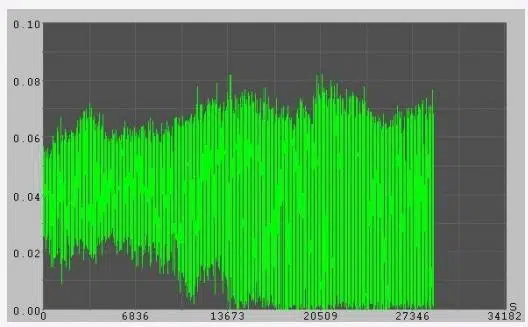
During a demanding 9-hour four-ball machine experiment conducted under a 40 kg load:
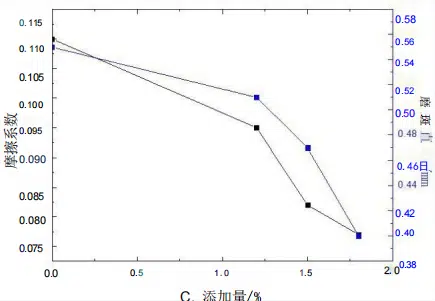
Evaluations were conducted on two separate formulations (Engine Oil No. 1 and No. 2) under the industrial benchmark SH/T 0189-1992 (Testing Conditions: 392N, 60 min, 75°C, 1200 r/min). The results showed highly consistent improvements:
| Tested Fluid | Optimal Fullerene Treat Rate | Friction Coefficient Reduction | Wear Scar Diameter Reduction |
| Engine Oil No. 1 | 1.8% | Decreased by 50.8% (down to 0.059) | Shrunk by 41.5% (down to 0.38 mm) |
| Engine Oil No. 2 | 1.8% | Decreased by 30.0% (down to 0.077) | Shrunk by 27.3% (down to 0.40 mm) |
When formulated into an API SN 0W-40 Full Synthetic Fullerene Engine Oil , this technology yields six core industrial benefits:
The Bilubuo Fullerene Anti-Wear Hydraulic Oil (Model: ISO VG 46) features a kinematic viscosity at 40°C of 45.52 mm²/s, a pour point down to -33°C, and an acid value of 0.78 mgKOH/g. Every primary physicochemical baseline fully satisfies national GB regulatory criteria.
In comparative evaluations against prominent commercial hydraulic fluids on an MS-10A four-ball machine (Testing Conditions: 40 kg Load, 1200 r/min, 3600 seconds, 75°C):
| Hydraulic Oil Type | Test Standard | Wear Scar Diameter (D/mm) | Average Friction Coefficient |
| Mobil Hydraulic Oil | SH/T 0189 | 0.472 | 0.113 |
| Zhonglian Dedicated Hydraulic Oil | SH/T 0189 | 0.520 | 0.114 |
| Fullerene Hydraulic Oil | SH/T 0189 | 0.482 | 0.070 |
Key Takeaway: The friction-reduction and anti-wear performance of the fullerene formulation is highly effective. Compared directly to the Zhonglian dedicated hydraulic fluid, the fullerene hydraulic oil reduced the physical wear scar diameter by 7.3% and lowered the average coefficient of friction by 38.6%.
The transition toward a low-carbon economy and high-end heavy industrial engineering is accelerating the deployment of fullerene lubrication technologies across three high-value sectors:
From a 1-nanometer molecular framework to the operations of massive industrial machinery, fullerene additives are redefining the future of lubrication engineering.
For B2B procurement of Fullerene C60 (Pure), 99.95% Purity, No metallic residue, buyers should confirm target purity, required quantity, application, destination country, COA, MSDS/SDS, packaging, storage conditions, and shipping requirements before requesting a formal quotation.
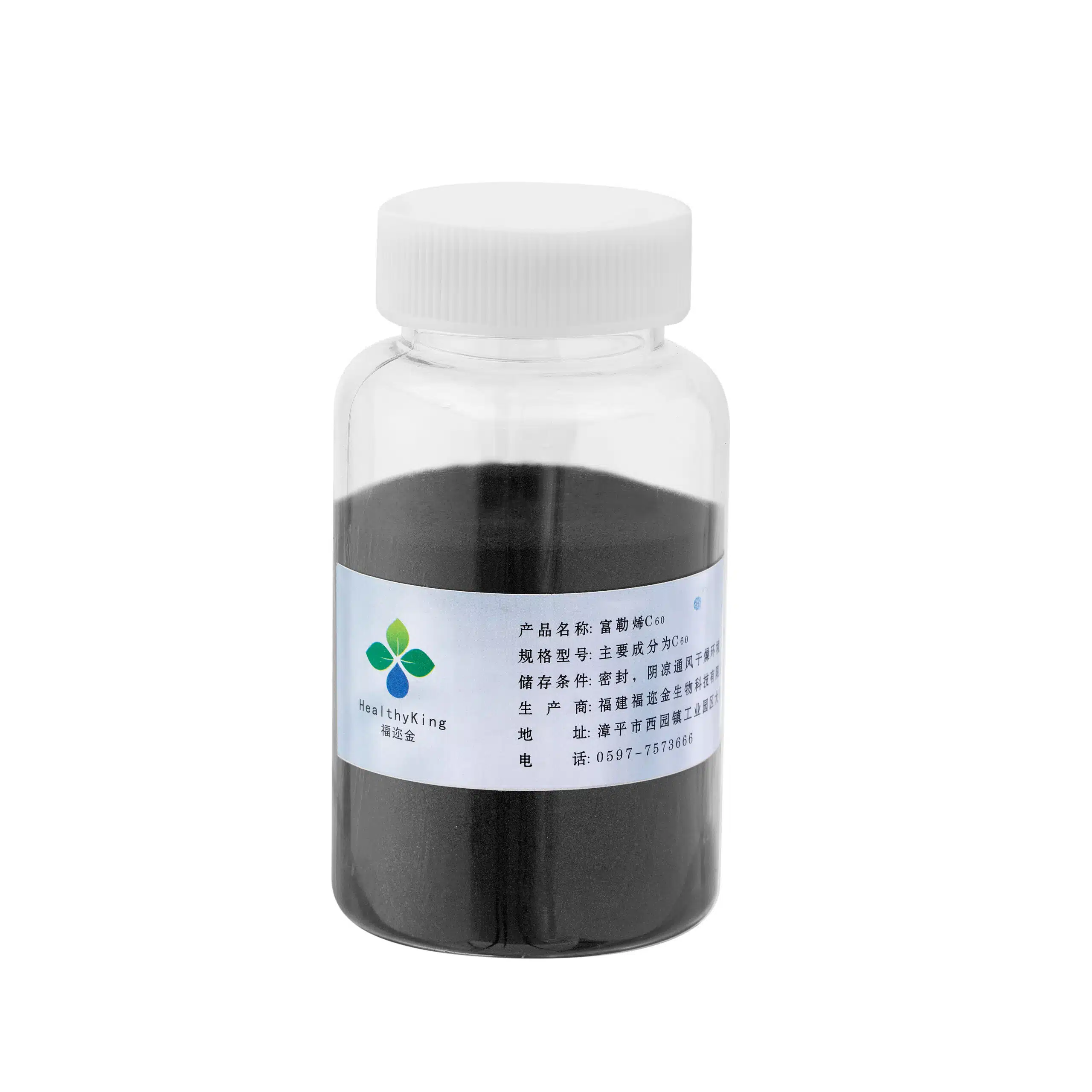
High-purity fullerene C60 is a highly refined nanomaterial designed specifically for the most demanding scientific and industrial applications. This ultra-pure form ensures…
Request product specifications, batch-specific COA, MSDS/SDS, sample availability, packaging details, and international shipping information before confirming your order.
Request DocumentsSubmit your product, purity, quantity, application, destination country, and documentation requirements. Our team will help confirm availability, COA, MSDS/SDS, packaging, and quotation details.