XCT Insights
Stay Updated
Fullerene research, applications and company updates, delivered occasionally.
Latest from XCT
View all
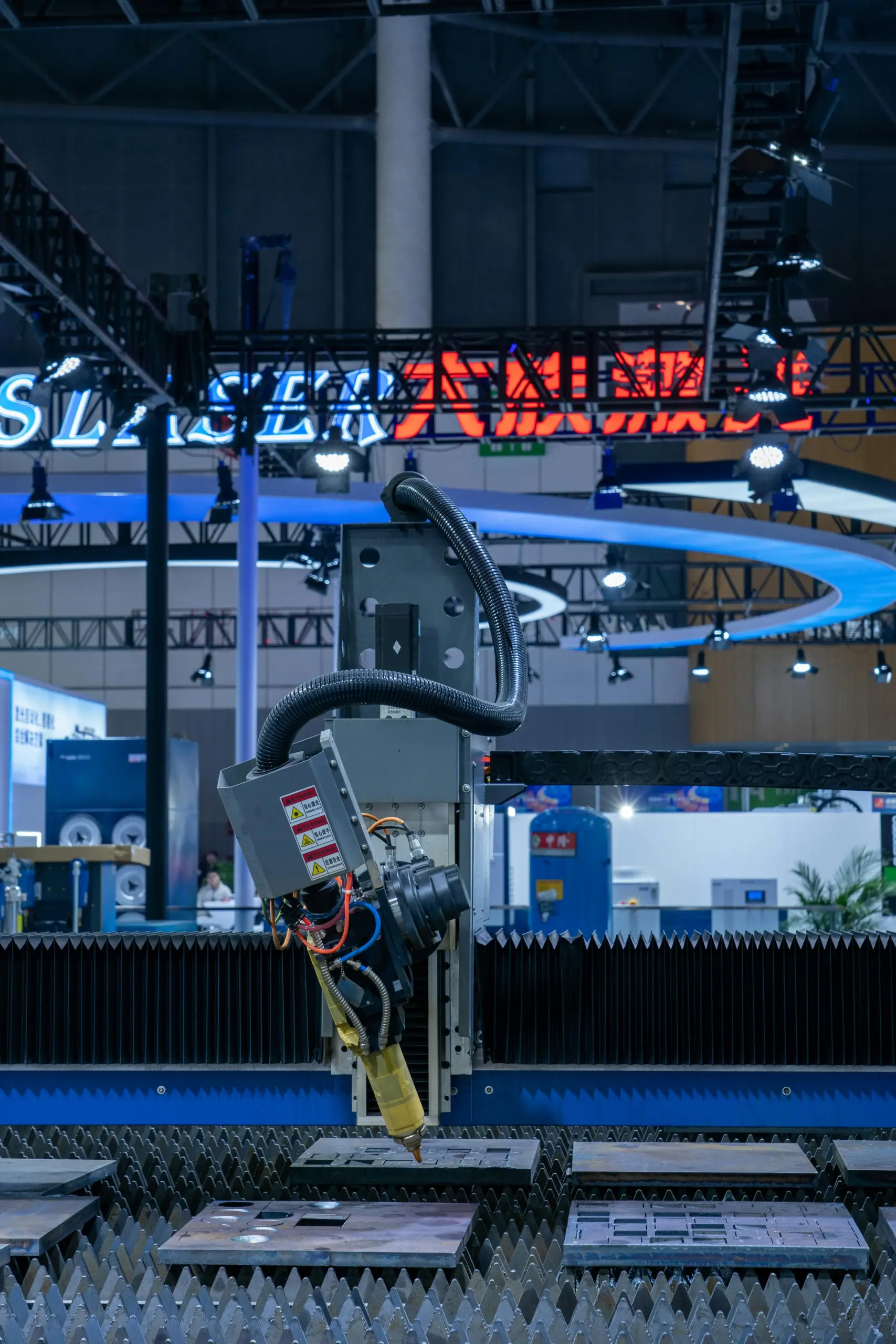
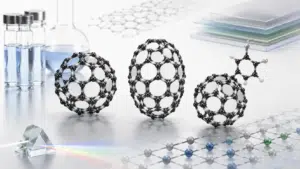
The historical trajectory of Buckminsterfullerene ($C_{60}$) represents one of the most significant transitions in modern materials science—from a highly restricted academic curiosity to a globally traded advanced material. Discovered in 1985 by Kroto, Smalley, and Curl, fullerenes were initially available only in minute, milligram quantities. For nearly three decades, these zero-dimensional (0D) carbon allotropes were confined to elite physical chemistry laboratories, restricted by the extreme energy requirements and abysmal yields associated with early laser ablation and arc-discharge synthesis protocols.
However, the global landscape experienced a definitive paradigm shift entering the 2020s. The industry successfully overcame the gram-scale production bottleneck through the commercialization of continuous combustion technologies and advanced automated catalytic reactors. Today, in 2026, the fullerene market is moving aggressively toward high-volume industrialization. Fullerenes are no longer classified merely as “research-only” compounds; they are essential, active ingredients in next-generation organic photovoltaics (OPVs), ultra-high-performance lubricants, and advanced longevity medicine.
The primary objective of this comprehensive report is to provide institutional procurement officers, biomedical researchers, and informed consumers with a rigorous scientific framework. As the global marketplace expands and options for carbon 60 for sale become increasingly fragmented across various digital and industrial platforms, a superficial understanding of this nanomaterial is no longer sufficient. Understanding the quantum physics of synthesis, the profound toxicological risks of solvent retention during purification, and the critical nuances of carrier matrices is paramount. This document serves as an authoritative guide for those looking to safely buy c60, verifying analytical purity, and ensuring biochemical efficacy in a rapidly commercializing ecosystem.
The upstream segment of the fullerene supply chain is governed strictly by the complex laws of carbon condensation physics. To understand the cost, availability, and purity limitations of $C_{60}$, one must first understand the thermodynamic hurdles required to force carbon atoms into a closed spherical cage.
The formation of the truncated icosahedron requires precise thermal conditions to allow exactly 60 carbon atoms to arrange into a lattice of 20 hexagons and 12 pentagons. Crucially, the geometry is dictated by the Isolated Pentagon Rule (IPR), which states that the most stable fullerenes are those where every pentagon is surrounded entirely by hexagons, preventing the extreme angle strain that would cause the molecule to collapse. In $C_{60}$, the carbon atoms undergo $sp^2$ hybridization; however, the spherical curvature forces a pyramidalization angle ($\theta_P$) of approximately $11.6^\circ$, deviating from the perfectly planar $0^\circ$ seen in graphene. This inherent geometric strain is what endows the molecule with its high electron affinity and reactive properties.
For decades, the Huffman-Krätschmer method—commonly known as the arc discharge method—served as the undisputed industry standard. This legacy synthesis technique involves the violent vaporization of high-purity graphite rods in an inert atmosphere, typically helium or argon, maintained at approximately 100 Torr.
Mechanically, an electrical arc is struck between two closely spaced graphite electrodes, generating localized plasma temperatures exceeding $3000^\circ\text{C}$. At this extreme thermal threshold, the crystalline structure of graphite is completely obliterated, vaporizing the carbon into a chaotic plasma of monatomic carbon and small molecular clusters. As these carbon vapor clusters migrate away from the plasma zone and collide with the inert helium gas, they rapidly cool and condense, rolling up into closed fullerene cages to minimize dangling bonds.
Despite its historical importance, arc discharge is fundamentally flawed for modern industrial scaling. It is inherently energy-intensive and offers extremely low product yields. Typically, only 10% to 15% of the resulting “fullerene soot” contains extractable $C_{60}$ and $C_{70}$, with the remaining 85% consisting of useless amorphous carbon and multi-walled carbon nanotubes (MWCNTs). Furthermore, because the graphite electrodes are physically consumed during the process, arc discharge is restricted to intermittent, batch-processing cycles, making tonnage-level commercialization economically unviable.
To meet the surging global demand across the aerospace and biomedical sectors, the industry is rapidly transitioning to Continuous Combustion Synthesis. This methodology, pioneered and scaled by industry leaders such as the Healthyking industrial framework, represents a leap forward in chemical engineering.
Instead of vaporizing solid graphite, modern automated reactors utilize polycyclic aromatic hydrocarbons (PAHs) or highly refined, plant-based precursors (such as specific phytosterols) in a gaseous or liquid state. The process relies on the incomplete combustion of these hydrocarbons in a meticulously controlled, sub-atmospheric laminar sooting flame. Oxygen and an inert carrier gas are introduced in precise stoichiometric ratios.
Rather than the chaotic fragmentation and random recombination seen in arc discharge plasma, the combustion method induces a highly controlled molecular transformation. The precursor molecules undergo dehydrogenation and systematically stitch together into curved polycyclic networks, naturally folding into fullerenes as they exit the flame zone.
The advantages of continuous combustion are transformative for the supply chain. Because the fuel and oxidizer can be pumped into the reactor continuously, the process never needs to stop for electrode replacement. Furthermore, by capturing and recycling the intense waste heat generated by the combustion process for localized power generation, manufacturers have drastically reduced the carbon footprint of production. This immense scalability is the primary catalyst driving market accessibility today. By engineering a continuous flow from raw precursor to unpurified fullerene soot, modern facilities have successfully driven down the raw synthesis costs, finally bridging the gap between niche laboratory research and tonnage-scale industrial application.
Once the fullerene-rich soot is successfully generated and harvested from the synthesis reactor, the supply chain encounters its most technically demanding and capital-intensive phase: the midstream purification bottleneck. Raw fullerene soot is a chaotic, highly heterogeneous mixture. It contains not only the desired $C_{60}$ molecules but also $C_{70}$, higher-order fullerenes ($C_{76}$, $C_{84}$), massive quantities of amorphous carbon, polycyclic aromatic hydrocarbon (PAH) byproducts, and, if synthesized via arc discharge, toxic metallic catalyst nanoparticles. Separating the target molecules from this dark, insoluble matrix requires advanced chemical engineering.
The traditional and still widely utilized method for fullerene isolation relies on solvent extraction followed by High-Performance Liquid Chromatography (HPLC) or flash column chromatography. Because fullerenes are highly hydrophobic and possess a high density of delocalized $\pi$-electrons, they are entirely insoluble in polar solvents like water or methanol. Instead, they exhibit strong affinities for non-polar, aromatic organic solvents, most notably toluene, xylene, $1,2$-dichlorobenzene, and carbon disulfide ($CS_2$).
In a standard chromatographic workflow, the raw soot is washed with toluene, dissolving the fullerenes while leaving the amorphous carbon behind. The resulting dark red or purple solution is then passed through a stationary phase (typically a customized silica gel or specialized polymeric resin like Buckyprep). Because $C_{60}$ and $C_{70}$ interact differently with the stationary phase due to their slight differences in molecular size and polarizability, they elute at different retention times, allowing technicians to fractionate the solution.
However, the pharmaceutical and biomedical commercialization of fullerenes faces a critical hurdle here: the profound challenge of solvent retention. When $C_{60}$ precipitates out of an aromatic solution, it does not simply form a pure fullerene crystal. Instead, the solvent molecules become intercalated within the fullerene lattice, forming highly stable solvate crystals held together by strong van der Waals forces. Traditional drying techniques, including prolonged exposure to ambient air or standard vacuum-oven baking, frequently fail to remove 100% of these trapped aromatic hydrocarbons.
For industrial lubricants or basic electronic research, trace toluene might be acceptable. But for commercial products intended for human consumption or advanced in vivo biomedical research, residual aromatic solvents present a severe, unacceptable toxicological risk. Prolonged exposure to trace toluene or benzene is associated with neurotoxicity and hepatotoxicity, completely negating the protective cellular benefits the fullerene was intended to provide.
To circumvent the inherent dangers of solvent toxicity and achieve the highly coveted 99.9% to 99.99% purity thresholds required for biological integration, industry leaders have pivoted away from liquid chromatography in favor of gas-phase purification, specifically vacuum sublimation.
Sublimation exploits the thermodynamic phase transitions of fullerenes. In a highly controlled environment, raw fullerene powder is placed into a quartz tube and subjected to an ultra-high vacuum (typically around $10^{-5}$ Torr) and heated to extreme temperatures ranging between $500^\circ\text{C}$ and $600^\circ\text{C}$. Under these precise thermodynamic conditions, the $C_{60}$ molecules bypass the liquid phase entirely, transitioning directly from a solid lattice into a monomeric gas.
As the fullerene vapor travels down the length of the vacuum tube, it encounters a carefully engineered temperature gradient. Because molecules of different masses possess distinct sublimation enthalpies, they condense back into crystalline solids at different, highly specific temperature zones. $C_{60}$ will condense in one distinct band, while the heavier $C_{70}$ and $C_{84}$ condense further down the thermal gradient. Meanwhile, heavy metal catalysts and non-volatile amorphous carbon remain completely immobilized in the original crucible.
Most importantly, because sublimation is a purely physical, high-temperature, and vacuum-driven process, the resulting molecular crystals are absolutely devoid of any organic solvent residues. When a laboratory or manufacturer demands uncompromised pure c60 for cellular toxicity studies or the formulation of premium dietary supplements, vacuum-sublimated material is the unequivocal gold standard. Top-tier providers like Healthyking utilize proprietary continuous sublimation cascades to ensure that their bespoke and medical-grade fullerene powders meet these absolute, zero-solvent standards.
In the rapidly expanding fullerene marketplace, optical appearance and vendor guarantees are insufficient. A black powder might be 99.9% pure $C_{60}$, or it might be 90% ordinary soot mixed with toxic residues. Therefore, rigorous, independent, and third-party analytical verification is not merely a bureaucratic formality—it is a critical scientific necessity. Institutional buyers must establish a strict analytical framework to verify the molecular weight, structural symmetry, and chemical purity of their raw materials.
To comprehensively authenticate a batch of fullerenes, materials scientists rely on a triad of advanced spectroscopic and spectrometric techniques:
UV-Visible Spectroscopy (UV-Vis): When pure $C_{60}$ is dissolved in a highly refined solvent like hexane, its unique electronic structure dictates how it absorbs light. The $\pi \rightarrow \pi^*$ transitions of the conjugated carbon cage produce a highly specific, unmistakable absorption fingerprint. A flawless sample will exhibit sharp, intense absorption bands at precisely 211 nm, 256 nm, and 328 nm, alongside a distinct, broader peak at 404-408 nm. Any shifting of these peaks, or the presence of a muddy, broad background absorption curve, immediately indicates contamination from oxidized fullerenyl derivatives ($C_{60}O$) or residual amorphous carbon.
Nuclear Magnetic Resonance ($^{13}C$ NMR): NMR spectroscopy provides the most elegant confirmation of molecular symmetry. The $C_{60}$ molecule is a truncated icosahedron with perfect $I_h$ point group symmetry. Quantum mechanically, this means that every single one of the 60 carbon atoms exists in the exact same magnetic and chemical environment. Consequently, the $^{13}C$ NMR spectrum of genuinely pure c60 is a masterpiece of simplicity: it displays only a single, sharp resonance peak at exactly 143.2 ppm. The appearance of even a single additional peak is a definitive, undeniable signature of broken symmetry—indicating either contamination by $C_{70}$ (which exhibits five distinct peaks due to its elongated, $D_{5h}$ symmetry) or chemical functionalization of the carbon cage.
Matrix-Assisted Laser Desorption/Ionization Time-of-Flight Mass Spectrometry (MALDI-TOF): While UV-Vis and NMR confirm structure and symmetry, MALDI-TOF is the ultimate arbiter of molecular mass. A laser pulse ionizes the sample, and the ions are accelerated through a flight tube; the time it takes them to reach the detector is strictly proportional to their mass-to-charge ratio ($m/z$). A pristine sample of $C_{60}$ will yield a massive, singular spike at exactly 720.66 g/mol. Crucially, a rigorous MALDI-TOF scan must show absolutely zero mass signals at 840.77 g/mol (the mass of $C_{70}$) or higher, proving the absence of higher-order cage cross-contamination.
When navigating procurement contracts, the Certificate of Analysis (COA) is the definitive legal and scientific document bridging the manufacturer and the buyer. However, not all COAs are created equal. A transparent, high-fidelity procurement checklist must demand the following specific metrics:
HPLC Traceability: The COA must include an actual chromatogram trace, not just a typed percentage. The trace should show a single, sharp, Gaussian elution peak. “Shoulder” peaks or wide tails indicate the presence of inseparable impurities or polymer degradation.
Volatile Organic Compound (VOC) Residue Analysis: For any material intended for the wellness or pharmaceutical sector, the COA must include a Gas Chromatography-Mass Spectrometry (GC-MS) readout proving that residual aromatic solvents (such as toluene, benzene, and ortho-xylene) are below the absolute Limit of Detection (LOD), typically measured in parts per million (ppm) or parts per billion (ppb).
Inductively Coupled Plasma Mass Spectrometry (ICP-MS) for Metals: If the material was sourced from legacy arc-discharge facilities, it must be scanned for transition metal impurities. The COA should verify that catalyst residues like iron, nickel, yttrium, or cobalt have been aggressively scrubbed from the final product, as these metals act as potent catalysts for generating oxidative stress—the very physiological damage that fullerenes are administered to prevent.
Once raw fullerenes have been synthesized, sublimated, and analytically verified, the supply chain transitions into the realm of downstream formulation. For biomedical applications and the consumer longevity market, pristine C60 powder is biologically inert on its own. The profoundly lipophilic (fat-soluble) nature of the fullerene cage—driven by its dense cloud of non-polar pi-electrons—renders it absolutely insoluble in water. Consequently, administering C60 for biological uptake mandates the use of a highly refined lipid carrier matrix.
The choice of carrier oil fundamentally alters the pharmacokinetics, stability, and therapeutic efficacy of the final product. The ongoing scientific consensus highlights two primary lipid matrices utilized in commercial operations:
Extra Virgin Olive Oil (EVOO): This remains the undisputed industry benchmark, established by the landmark Baati et al. (2012) longevity study. High-quality EVOO is rich in oleic acid (a monounsaturated omega-9 fatty acid) and synergistic polyphenols, most notably hydroxytyrosol and oleuropein. These phenolic compounds act as secondary antioxidants that protect the lipid matrix itself from going rancid, effectively stabilizing the C60 molecule in suspension. From a biochemical standpoint, an EVOO-based suspension is frequently cited in literature as the foundation for the best carbon 60 supplement, due to the additive anti-inflammatory benefits of the carrier oil.
Medium-Chain Triglycerides (MCT): Often fractionated from coconut or palm kernel oil, MCTs offer a distinctly different metabolic pathway. Because of their shorter aliphatic tails, medium-chain triglycerides bypass standard lymphatic absorption and are shunted directly through the hepatic portal vein to the liver, where they are rapidly oxidized for immediate ATP production. While MCT-based C60 formulations are popular among ketogenic and biohacking demographics for rapid cognitive energy, they inherently lack the polyphenol-driven oxidative stability found in EVOO.
Formulating a stable fullerene suspension requires extreme precision. The absolute thermodynamic saturation limit of C60 in high-grade olive oil at room temperature is approximately 0.8 mg/mL. Attempting to force higher concentrations invariably leads to precipitation, rendering the excess C60 biologically unavailable.
To achieve this saturation without damaging the delicate lipid matrix, premium manufacturers utilize prolonged, low-temperature mechanical stirring—often up to 14 days in absolute darkness. Conversely, some operations attempt to accelerate production using high-power ultrasonication. While acoustic cavitation drastically speeds up dispersion, it induces localized microscopic “hot spots” exceeding 5000°C. This extreme kinetic energy can shatter the fatty acid chains, generate free radicals, and induce premature lipid peroxidation. Therefore, institutional buyers must rigorously interrogate a vendor’s dispersion methodology before committing to a purchase.
A critical, yet frequently overlooked, vulnerability in the commercialization of fullerenes is light-dependent toxicity. Under ambient UV-Visible light, the C60 molecule functions as a potent singlet oxygen sensitizer. It absorbs photonic energy and transfers it to dissolved ground-state molecular oxygen, creating highly reactive singlet oxygen species.
If exposed to light, C60 will initiate the degradation of its own carrier oil and violently oxidize, forming toxic fullerene epoxides (C60O) along the cage surface. The 2021 Grohn et al. study conclusively highlighted this danger, showing that light-degraded C60 formulations induced severe morbidity in animal models. Consequently, packaging is a matter of toxicological safety, not just branding. Authentic, safe formulations must strictly utilize light-shielded packaging—such as deep amber, cobalt, or specialized Miron violet glass—and must be processed entirely in darkroom conditions.
Understanding the precise biological mechanisms by which C60 interacts with cellular biology is paramount for researchers establishing clinical trials and consumers looking to optimize their personal health protocols.
Upon oral ingestion of a C60-lipid formulation, the fullerene-oil matrix is emulsified by bile salts in the duodenum. The C60 molecules are then packaged into chylomicrons (ultra-microscopic lipid transport vesicles) by the enterocytes lining the intestinal wall. Crucially, this chylomicron packaging allows C60 to bypass the liver’s first-pass metabolism by entering the lymphatic system via the lacteals, eventually draining into the systemic bloodstream through the thoracic duct.
Because C60 is a zero-dimensional, uncharged, and highly lipophilic nanomaterial (approximately 0.7 nanometers in diameter), it effortlessly traverses the phospholipid bilayers of cellular membranes via passive diffusion. Once inside the cell, isotopic tracking studies suggest a strong preferential localization within the inner mitochondrial membrane. Here, acting as an unconsumable “radical sponge,” the fullerene intercepts erratic superoxide anions leaking from the electron transport chain, effectively neutralizing oxidative stress at its deepest cellular source without interfering with normal ATP synthesis.
Determining the optimal c60 dosage relies on allometric scaling—a mathematical methodology used to translate effective dosages from murine (rodent) models into a Human Equivalent Dose (HED). This is calculated using the Body Surface Area (BSA) normalization factor ($K_m$).
In the renowned Baati study, Wistar rats (which possess a $K_m$ factor of 6) were administered 1.7 mg/kg of body weight to achieve profound life extension and tumor suppression. To translate this to an adult human (who has a $K_m$ factor of 37), the formula is:
Human Dose = Animal Dose × (Animal $K_m$ / Human $K_m$)
Applying this scientific formula yields an estimated human equivalent dose of approximately 0.27 mg/kg. Therefore, for a standard 75 kg (165 lb) adult, the therapeutically aligned dosage would be approximately 20 mg of C60. Given the standard saturation of 0.8 mg/mL in olive oil, this equates to a roughly 25 mL (or 1.5 to 2 tablespoons) volume of oil per day for acute loading phases. However, for baseline wellness and chronic oxidative stress management, most functional medicine practitioners recommend a highly conservative maintenance dose of 5 mg to 10 mg daily.
To maximize bioavailability and ensure the fullerene molecules successfully reach the lymphatic system, consumers and clinical subjects must understand how to take c60 correctly.
Because the absorption of fullerenes is entirely dependent on lipid transport mechanisms, it is highly recommended to consume the formulation alongside a meal containing healthy dietary fats (such as avocados, nuts, or fatty fish). Consuming C60 on a completely empty stomach without additional bile-stimulating fats can severely truncate its absorption, leading to unutilized excretion. Furthermore, given its potential to optimize mitochondrial ATP output, clinical literature suggests morning or early afternoon administration to prevent unwanted sleep architecture disruption caused by elevated cellular energy levels late at night.
As the fullerene market crosses the billion-dollar threshold, navigating the fragmented supply chain requires strategic precision. Institutional buyers and consumers alike must adopt a highly defensive posture when preparing to buy c60.
The nanocarbon market is currently plagued by opportunistic “grey market” vendors who purchase cheap, unpurified industrial soot and package it under the guise of dietary supplements. To mitigate this catastrophic risk, procurement officers must demand a rigorous Vendor Qualification Matrix:
By enforcing these strict procurement standards, industries can leverage the astonishing physical and chemical properties of fullerenes safely, fueling the next generation of biogerontology, quantum computing, and advanced materials engineering.
What are the critical analytical documents required before deciding to buy C60?
Never purchase raw fullerenes or lipid suspensions without reviewing a batch-specific Certificate of Analysis (COA). This document must include a High-Performance Liquid Chromatography (HPLC) trace proving 99.9%+ purity, a MALDI-TOF mass spectrometry readout confirming a molecular weight of 720.66 g/mol, and a Gas Chromatography (GC) report verifying absolute zero residual toxic solvents like toluene.
Why is sublimated C60 strictly preferred over HPLC-purified variants for human consumption?
While HPLC purification is effective for industrial lubricants, it traps trace aromatic solvents within the fullerene crystal lattice. Vacuum sublimation is a purely physical, high-heat gas-phase phase transition that guarantees the final C60 crystals are 100% solvent-free, making it the only acceptable standard for the best carbon 60 supplement.
How do researchers calculate the proper C60 dosage for clinical applications?
Clinical researchers utilize allometric scaling based on Body Surface Area (BSA). By applying species-specific $K_m$ conversion factors to data derived from the 2012 Baati rat models, researchers calculate that an effective, safe human equivalent c60 dosage generally ranges from 5 mg to 20 mg per day depending on the subject’s weight and targeted oxidative stress levels.
What is the scientifically validated method for how to take C60?
Because fullerenes are intensely lipophilic, understanding how to take c60 involves maximizing fat absorption pathways. It should be ingested alongside a meal rich in healthy fats to stimulate bile release and facilitate chylomicron packaging. Furthermore, it must never be exposed to direct sunlight, as UV light degrades the C60 and the carrier oil into toxic epoxides.
For B2B procurement of Fullerene C60 (Pure), 99.95% Purity, No metallic residue, buyers should confirm target purity, required quantity, application, destination country, COA, MSDS/SDS, packaging, storage conditions, and shipping requirements before requesting a formal quotation.
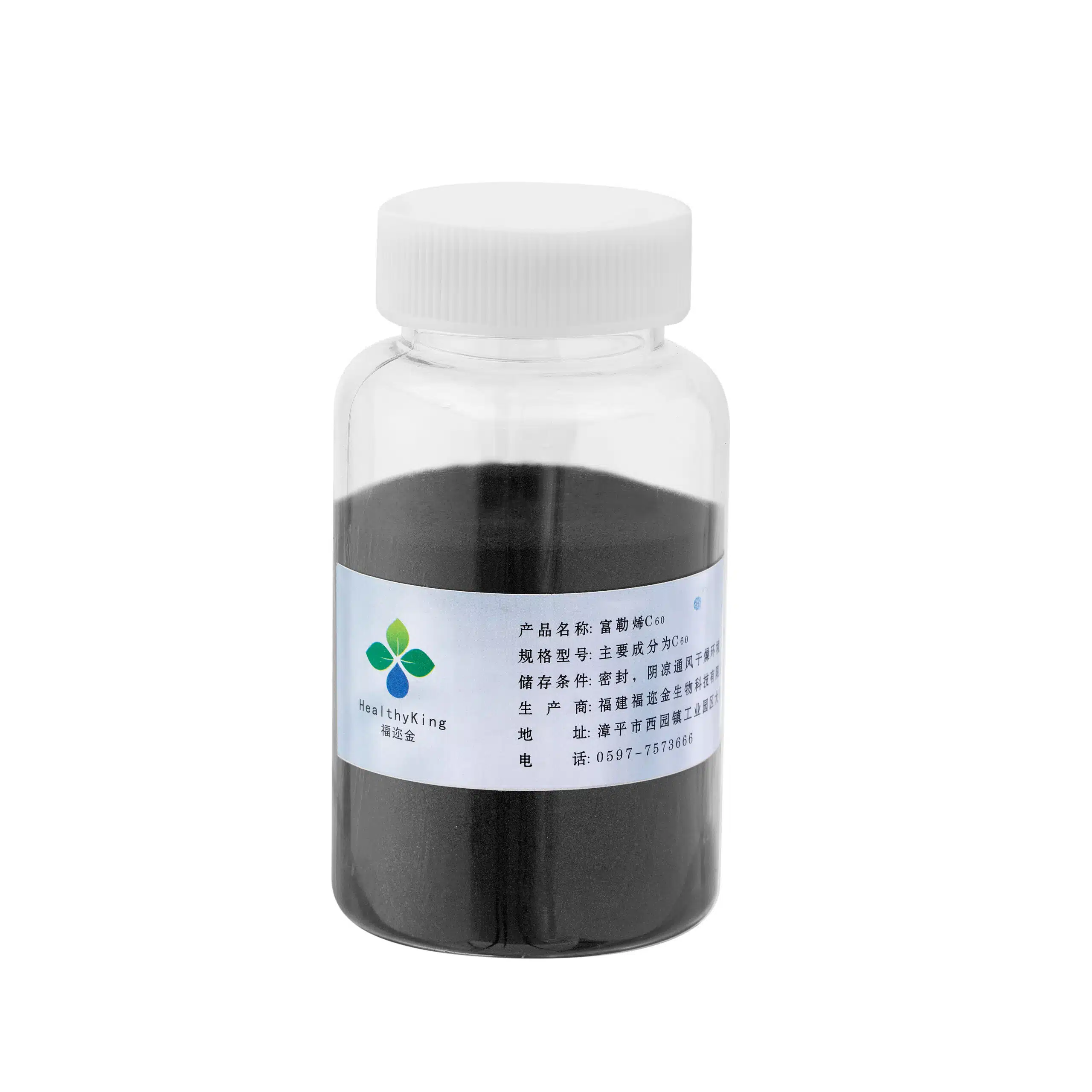
High-purity fullerene C60 is a highly refined nanomaterial designed specifically for the most demanding scientific and industrial applications. This ultra-pure form ensures…
Request product specifications, batch-specific COA, MSDS/SDS, sample availability, packaging details, and international shipping information before confirming your order.
Request DocumentsSubmit your product, purity, quantity, application, destination country, and documentation requirements. Our team will help confirm availability, COA, MSDS/SDS, packaging, and quotation details.