
Latest News
Discover our company’s latest investments, strategie, and updates.
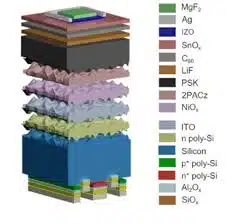
In May 2026, the global photovoltaic sector witnessed a historic industrial milestone. Solar cell manufacturer Yingfa Ruineng successfully produced a large-format perovskite/back-contact (BC) tandem module delivering a record-breaking conversion efficiency of 26.78% and an extraordinary power output of 724 W.…
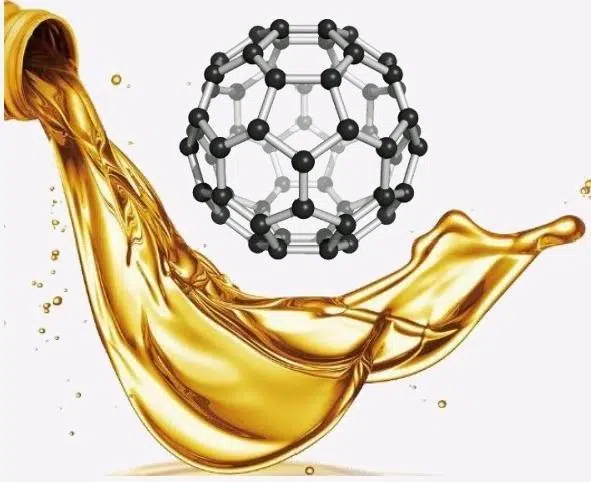
In the modern landscapes of heavy industrial manufacturing, automotive engineering, and aerospace development, extreme operating conditions demand unprecedented performance from lubrication materials. Traditional full-synthetic lubricants frequently suffer from boundary film rupture when subjected to ultra-high temperatures, extreme pressures, and intense…
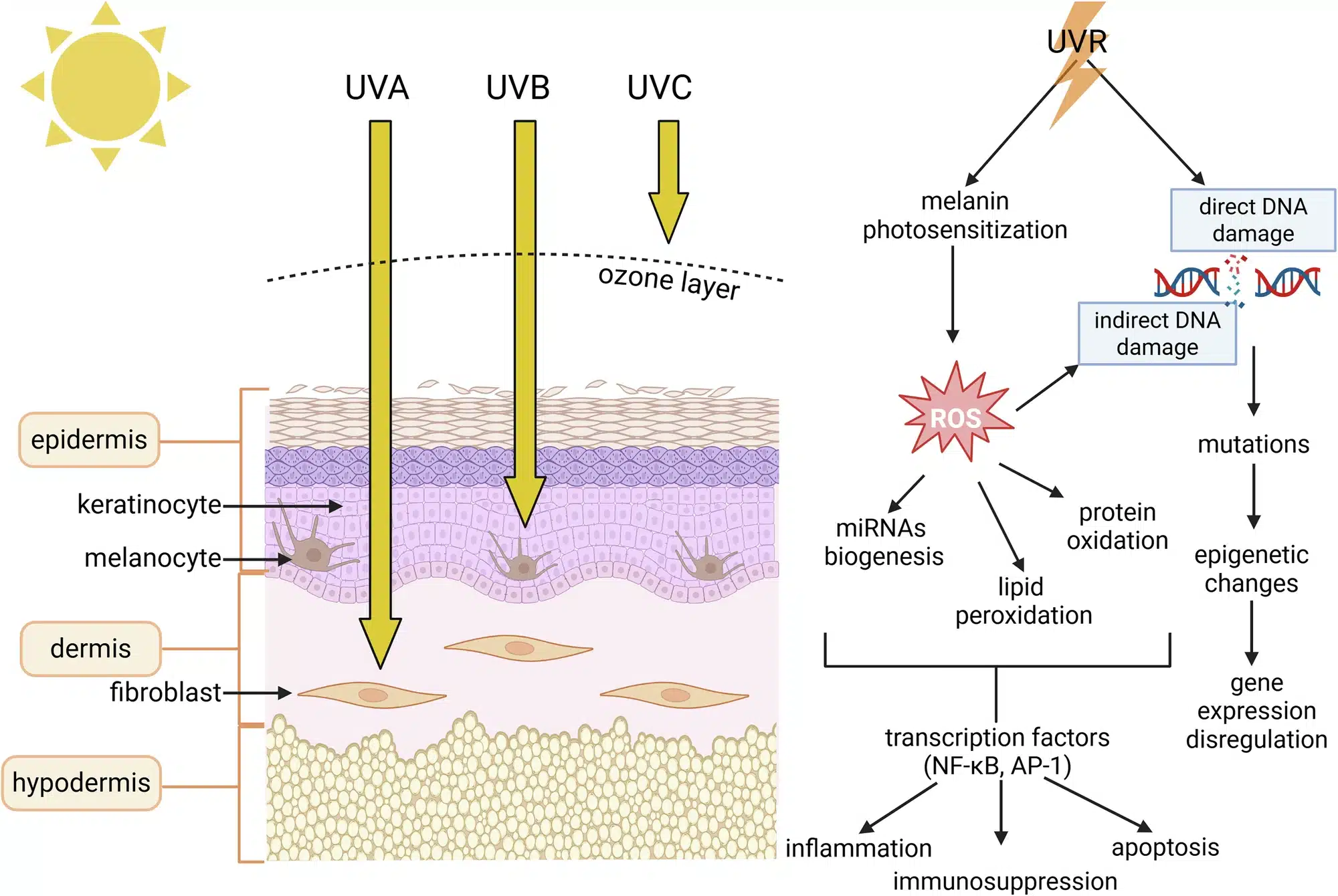
The cutaneous interface is constantly exposed to solar ultraviolet radiation (UVR), which is divided into UVB (290–320 nm) and UVA (320–400 nm) wavelengths. While UVB primarily targets the epidermis to cause direct DNA lesions, UVA penetrates deep into the dermis,…
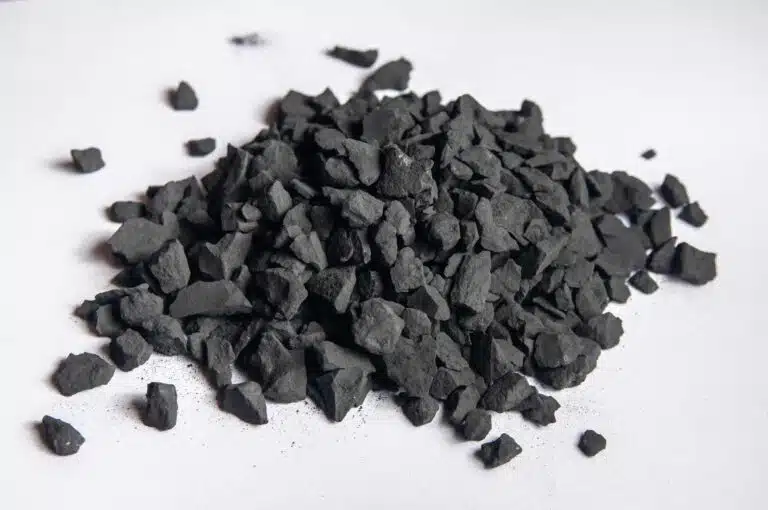
Introduction The paradigm that fullerenes were purely synthetic materials was permanently altered in 1992. A collaborative study published in Science [257, 215 (1992)] by geochemist Peter R. Buseck and mineralogist Semeon J. Tsipursky from Arizona State University, alongside mass spectrometrist…
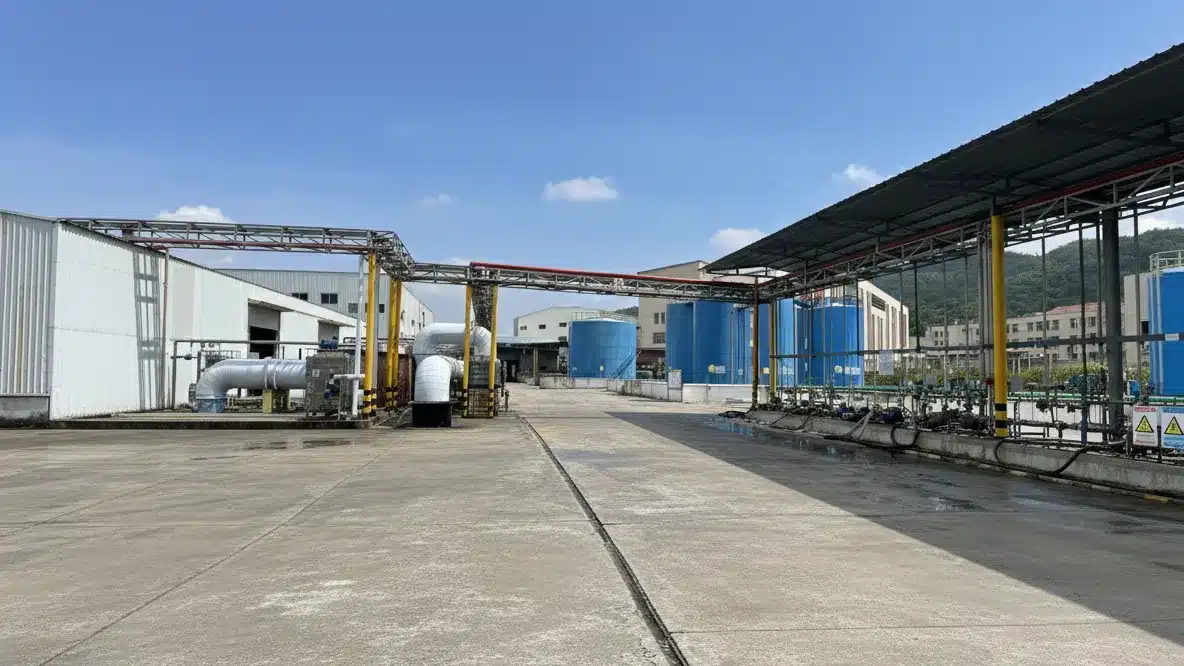
In the fields of chemical engineering and materials science, “continuous combustion” generally refers to a steady-state thermodynamic process where fuel and oxidants are continuously fed into a reaction chamber to maintain an uninterrupted flame and energy output. While this principle…
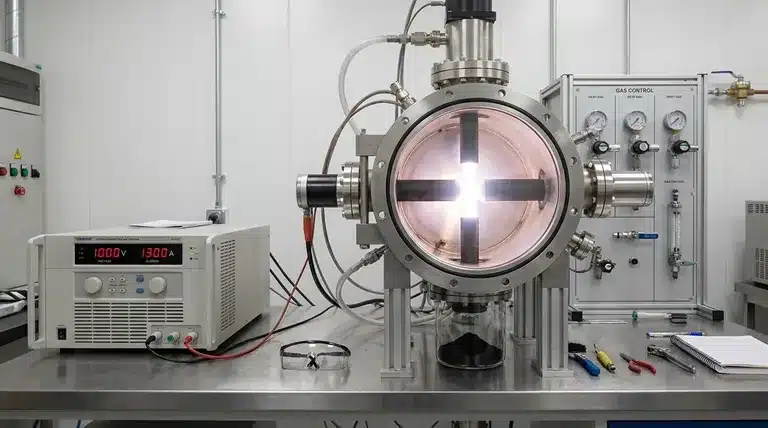
In the hierarchy of advanced carbon synthesis, the Arc-Discharge Method remains the gold standard for producing nanomaterials with near-perfect structural integrity. While techniques like Chemical Vapor Deposition (CVD) dominate commercial-scale volume, arc-discharge is favored by high-precision laboratories for its ability…
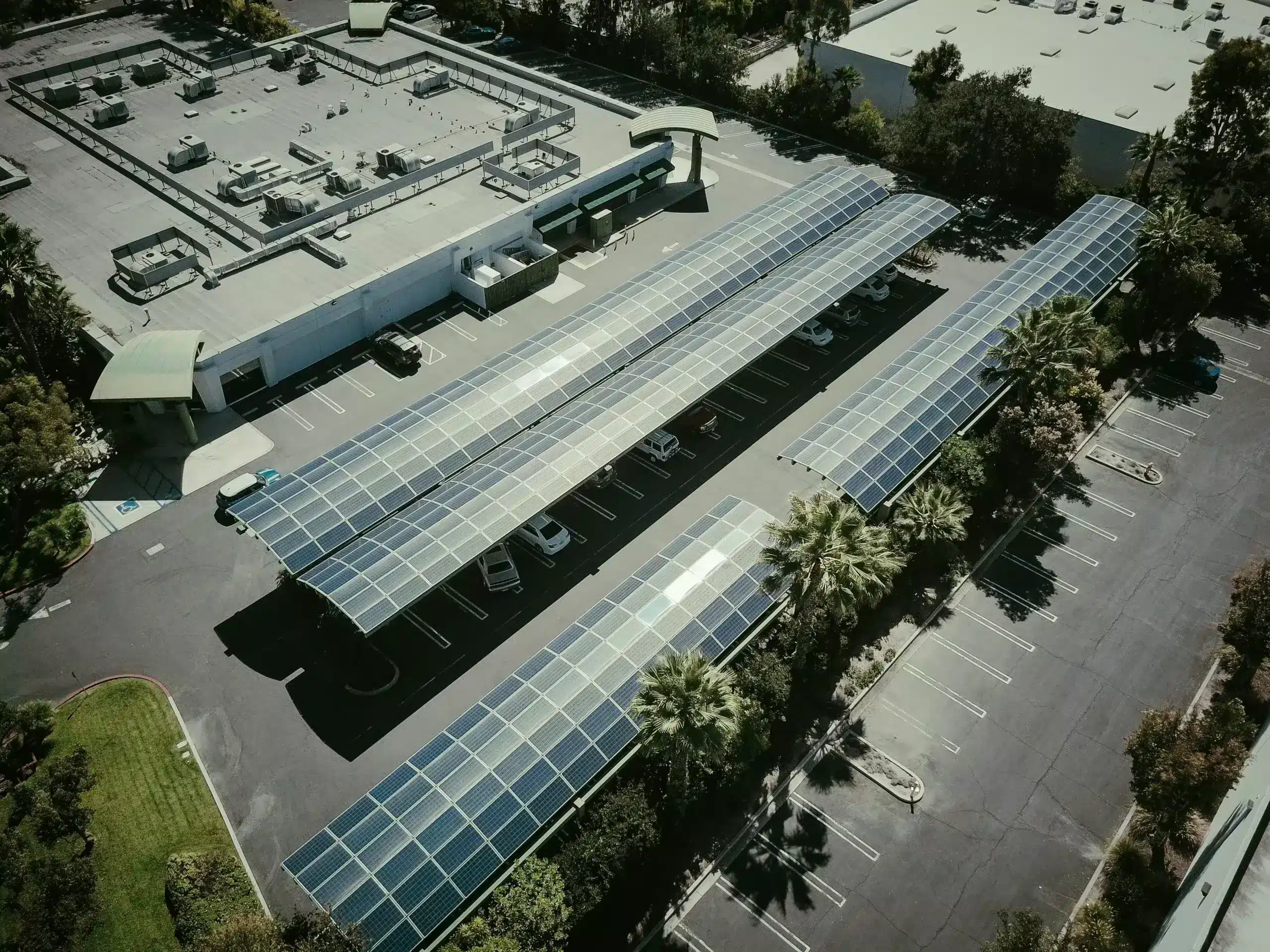
The global transition to sustainable energy has placed Organic Photovoltaics (OPV) at the forefront of materials science. Characterized by their lightweight, flexible, and semi-transparent properties, OPVs offer a versatile alternative to traditional silicon. In 2024, the field reached a milestone…

Historical Foundations and the Discovery of the Third Allotrope of Carbon The scientific narrative of Carbon 60 ($\text{C}_{60}$), commonly referred to as Buckminsterfullerene, represents one of the most significant breakthroughs in late 20th-century chemistry, bridging the gap between interstellar physics…
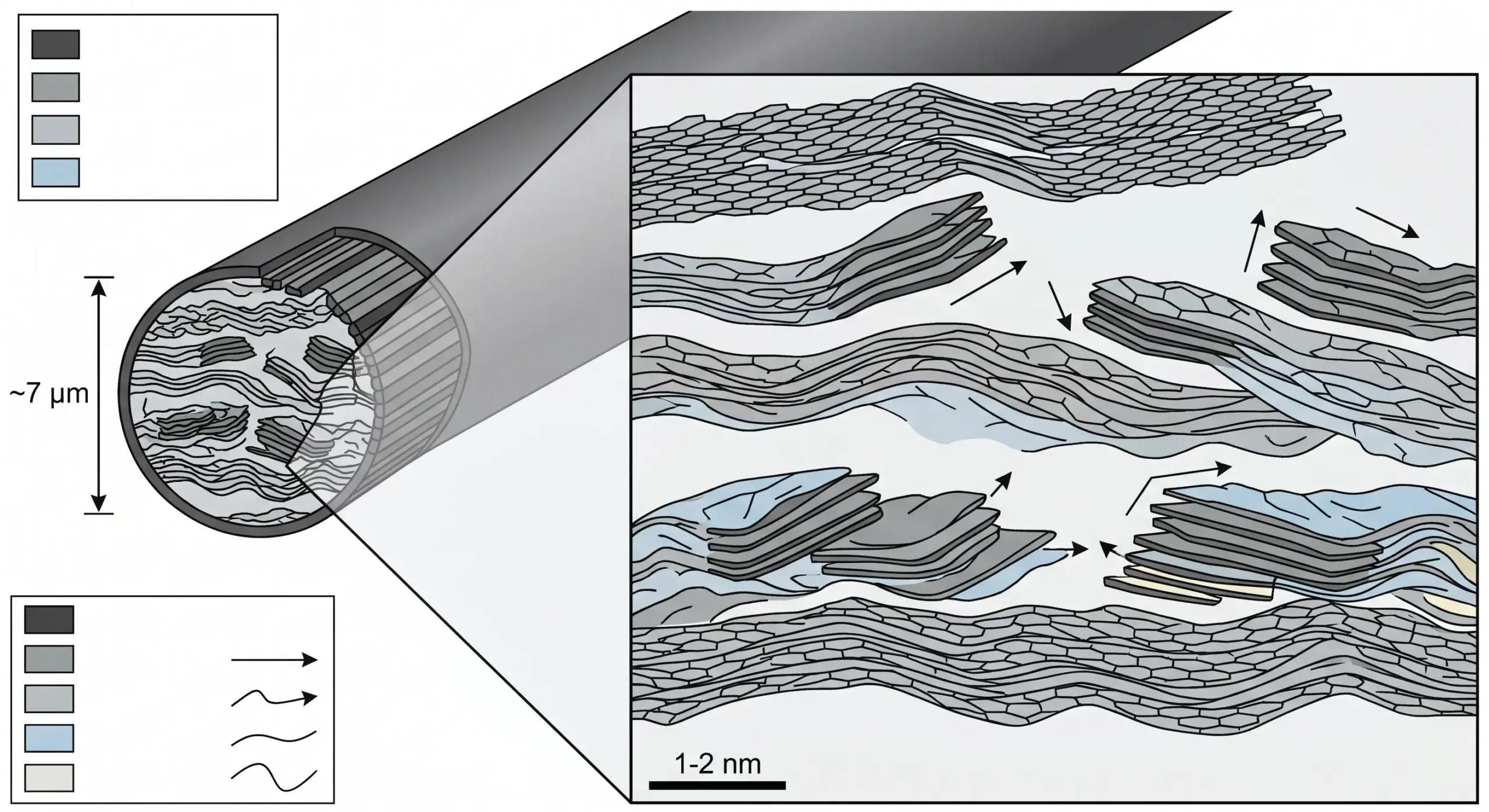
The history of materials science is inextricably linked to the manipulation of the element carbon. From the prehistoric use of charcoal to the industrial-age reliance on coal and the modern-day obsession with diamonds and graphite, carbon has consistently served as…